





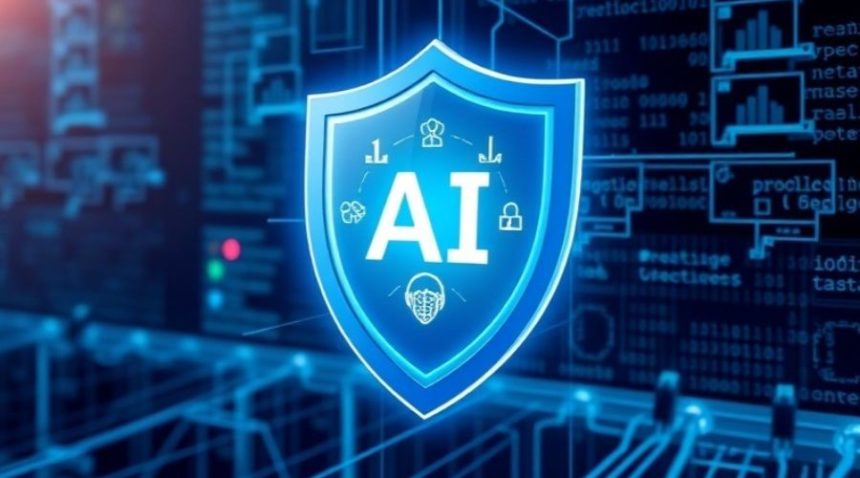
In an era where digital threats evolve at unprecedented speeds, traditional cybersecurity measures are struggling to keep pace. Enter AI-Powered Antivirus solutions – the cutting-edge technology that’s transforming how we protect our digital assets. This revolutionary approach combines machine learning capabilities with conventional security methods to create a more dynamic, responsive defense system against increasingly sophisticated cyber threats.
The Evolution of Cybersecurity Threats
The cybersecurity landscape has undergone dramatic changes over the past decade. What began as simple malware programs created by hobbyists has evolved into sophisticated attack vectors designed by state-sponsored hackers and organized crime syndicates.
From Signature-Based to Behavioral Analysis
Traditional antivirus software relied heavily on signature-based detection, essentially matching file signatures against a database of known threats. While effective against known malware, this approach proved inadequate against zero-day exploits and polymorphic threats that change their code to evade detection.
Modern threats require modern solutions. AI-Powered Antivirus technology represents the next evolutionary step in this ongoing arms race. Rather than simply comparing signatures, these systems analyze behavior patterns, identify anomalies, and predict potential threats before they can cause damage.
How AI-Powered Antivirus Works
At its core, antivirus uses several key technologies to provide comprehensive protection:
Machine Learning Algorithms
The foundation of AI-Powered solutions lies in sophisticated machine learning models trained on vast datasets of both benign and malicious code. These systems learn to identify patterns that might indicate malicious intent, even in previously unseen code.
Behavioral Analysis
Rather than focusing solely on what a program is, these applications examines what a program does. By monitoring system activity in real-time, these systems can identify suspicious behaviors that might indicate an infection:
- Unauthorized encryption of files (ransomware behavior)
- Attempts to disable security features
- Unusual network communication patterns
- Suspicious registry modifications
- Unauthorized access to sensitive data repositories
Predictive Capabilities
Perhaps the most powerful feature of AI-Powered Antivirus is its ability to predict and prevent attacks before they fully materialize. By analyzing patterns in data and user behavior, these systems can identify potential vulnerabilities and take preemptive action.
Current Market Leaders in AI Threat Detection

Several companies have emerged as pioneers in the AI-Powered Antivirus space:
Enterprise Solutions
- CrowdStrike Falcon: Leverages cloud-based machine learning to provide endpoint protection that identifies and prevents attacks based on behavior patterns.
- Darktrace: Uses self-learning AI to develop an understanding of “normal” for every user and device in an organization, detecting subtle deviations that might indicate a threat.
- SentinelOne: Offers autonomous endpoint protection through AI that can detect, prevent, and remediate threats without human intervention.
Consumer Options
For individual users, several AI Threat Detection options have gained prominence:
- Bitdefender: Incorporates machine learning algorithms that analyze patterns to identify zero-day exploits and ransomware.
- Norton 360 with LifeLock: Uses AI to identify suspicious behavior and protect against identity theft.
- Kaspersky: Employs neural networks to enhance detection capabilities against previously unknown threats.
Challenges and Limitations of AI-Powered Antivirus
Despite its potential, AI technology isn’t without challenges and limitations.
False Positives
One of the most significant challenges facing antivirus systems is the risk of false positives – legitimate programs flagged as malicious. This can lead to:
- Business-critical applications being quarantined or deleted
- User frustration and decreased productivity
- Potential “alert fatigue” for security teams
- Erosion of trust in the security system
As these systems mature, developers are working to fine-tune detection algorithms to minimize false positives while maintaining high detection rates.
Resource Requirements
AI Threat Detection solutions typically require more computational resources than traditional antivirus programs. This can result in:
- Increased system load and potential performance impacts
- Higher hardware requirements for optimal performance
- Greater energy consumption, particularly relevant for mobile devices
- Increased costs for cloud-based processing and analysis
Balancing security effectiveness with resource efficiency remains an ongoing challenge for developers.
Adversarial Attacks
Perhaps most concerning is the potential for adversarial attacks against AI-Powered Antivirus systems themselves. Malicious actors are developing techniques to deliberately mislead machine learning models by:
- Creating malware specifically designed to evade AI detection
- Poisoning training data to introduce vulnerabilities
- Exploiting model weaknesses through carefully crafted inputs
- Developing counter-AI technologies to disable protection
This creates an ongoing arms race between security researchers and attackers, with each side continuously adapting to the other’s advances.
The Future of AI-Powered Antivirus Softwares
Integration with Zero Trust Architecture
The future of AI Threat Detection will likely see deeper integration with Zero Trust security models, where no user or device is trusted by default, regardless of location or network connection. You can expect-
- Continuously authenticating users based on behavioral patterns
- Determining appropriate access levels dynamically
- Identifying anomalous access attempts that might indicate credential theft
- Creating personalized security profiles for each user and device
This integration will create more robust defense systems capable of adapting to changing threat landscapes.
Edge Computing Implementation
As edge computing continues to grow, AI Threat Detection will increasingly perform analysis directly on endpoint devices rather than in the cloud. This approach offers several advantages:
- Reduced latency for faster threat response
- Improved privacy by keeping sensitive data local
- Continued protection even when offline
- Decreased bandwidth requirements for analysis
This trend aligns with the broader movement toward distributed computing architectures.
Quantum Computing Considerations
Opportunities:
- Dramatically faster analysis of complex patterns
- More sophisticated modeling of threat behaviors
- Enhanced predictive capabilities through quantum machine learning
- Ability to process vastly larger datasets for training
Challenges:
- Need to develop quantum-resistant encryption
- Potential for quantum-powered malware with unprecedented capabilities
- Requirement for new algorithmic approaches to security
- Significant infrastructure changes to support quantum-enhanced security
Implementing AI-Powered Antivirus in Your Organization
For businesses considering the adoption of Antivirus solutions, a structured approach is essential.
Deployment Considerations
When implementing an AI-Powered Antivirus solution, consider these key factors:
- Training period: Allow time for the AI system to learn your network’s normal behavior
- Integration with existing security tools: Ensure compatibility with your security stack
- Staff training: Prepare your team to interpret and respond to AI-generated alerts
- Performance monitoring: Watch for system impacts during initial deployment
- Feedback mechanisms: Establish processes for reporting false positives and negatives
A methodical deployment approach maximizes the effectiveness of your AI-Powered Antivirus investment.
Ongoing Management
Effective management requires:
- Regular performance reviews: Assess detection rates, false positives, and system impact
- Continued training: Update AI models with new threat intelligence
- Incident response refinement: Use lessons from security events to improve processes
- Compliance monitoring: Ensure your solution meets evolving regulatory requirements
- Strategic updates: Plan for technology refreshes as new capabilities emerge
With proper management, your AI-Powered Antivirus solution will continue to evolve alongside the threat landscape.
Ethical Considerations in AI-Powered Antivirus
As with any AI technology, ethical considerations play an important role in the development and deployment of AI-Powered Antivirus solutions.
Privacy Implications
AI-Powered Antivirus systems necessarily analyze vast amounts of user data to identify threats, raising important privacy questions:
- How is analyzed data stored and protected?
- What information leaves local devices for cloud processing?
- How are user consent and transparency managed?
- What safeguards prevent security tools from becoming surveillance tools?
Leading AI-Powered Antivirus vendors are addressing these concerns through privacy-by-design approaches and transparent data policies.
Algorithmic Bias
In the context of AI-Powered Antivirus, a bias might manifest as:
- Over-flagging certain types of legitimate software
- Inconsistent protection levels across different user groups
- Geographical variations in security effectiveness
- Disproportionate performance impacts on certain systems
Addressing these biases requires diverse training data and continuous monitoring for fairness in outcomes.
Conclusion: Is AI-Powered Antivirus the Future?
The evidence strongly suggests that AI-Powered Antivirus represents not just the future of cybersecurity, but increasingly its present. As cyber threats continue to evolve in sophistication, traditional detection methods simply cannot keep pace. The adaptive, predictive capabilities of AI offer the best hope for maintaining digital security in an increasingly hostile environment. In this new era of digital security, staying ahead of threats requires the predictive power and adaptive capabilities that only AI-Powered Antivirus can provide.
For more information, visit Saasmarkt.