






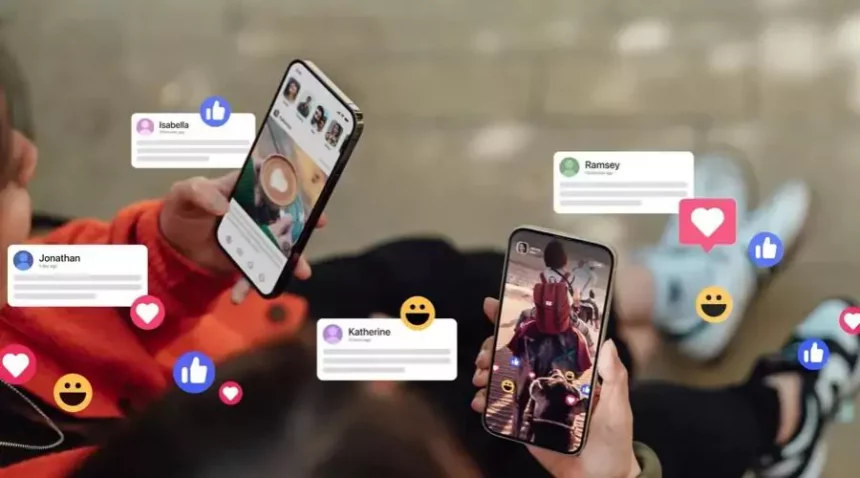
Social media changes fast. One minute a platform is booming, and the next, everyone’s jumping ship. New features pop up every few weeks, algorithms flip the script, and audience behavior keeps evolving. But this year feels different. There’s a shift of Social Media Trends 2025 happening—not just in what content gets shared, but how people interact, discover, shop, and build trust online.
The line between entertainment, search, and shopping is officially blurred. Social media has become a hybrid space: half reality, half virtual showroom. And instead of chasing trends, people are starting to shape them. It’s not about fitting into the feed anymore—it’s about standing out without losing the realness.
Here’s a deep dive into five powerful Social Media Trends 2025 that are already shaping how social media looks, feels, and functions in 2025. These aren’t just short-term waves—they’re signs of where things are headed next.
5 Social Media Trends 2025 That Will Dominate

1. Authenticity Is More Than Just a Buzzword
Everyone talks about authenticity like it’s a social media hack—but in 2025, it’s actually the baseline. Users are tired of curated perfection and overly branded messages. Content that feels real, honest, and a little messy? That’s the stuff that sticks.
This Social Media Trends 2025 goes beyond just unedited selfies or “no makeup” posts. It’s about creators opening up about burnout, brands admitting when they mess up, and everyday users sharing their wins and losses with equal energy. The highlight reel has been replaced by something way more powerful: vulnerability.
Stories, livestreams, and even spontaneous posts with unpolished captions are doing better than staged content. And platforms are responding. New features are popping up that prioritize more spontaneous, low-pressure sharing—like Threads, Instagram’s Close Friends expansion, and BeReal-style time-bound posting tools.
What works now is showing up as-is. Not every video needs studio lighting. Not every caption needs to sound like a press release. The less scripted it feels, the more people stop scrolling to watch.
2. AI Is the Invisible Hand Behind the Feed
Artificial intelligence is quietly becoming the backbone of the social media experience. Algorithms are smarter, faster, and eerily accurate in predicting what people want to see. But it’s not just about recommendations—it’s about personalization at every level.
In Social Media Trends 2025, AI is writing captions, suggesting hashtags, editing reels, generating post ideas, and even building content calendars. For content creators and marketers, that means more tools to stay consistent and less pressure to brainstorm from scratch. But the real game-changer? Personalized content feeds.
Whether it’s TikTok’s “For You” or Instagram’s suggested posts, these platforms are learning in real-time what users engage with, what they skip, what they rewatch, and even how long they hover. That kind of data drives everything from visibility to virality.
Even customer service has leveled up. AI-powered chatbots now sound eerily human, managing DMs, FAQs, and product queries around the clock. Brands are embracing these bots not just to save time, but to keep engagement flowing when the team’s offline.
In short, AI isn’t stealing creativity—it’s helping it scale.
4. Social Search Is Beating Traditional Search Engines
Here’s a wild shift: people aren’t Googling like they used to. They’re heading to TikTok, Instagram, and even Reddit to search for answers. From tutorials and reviews to outfit inspo and how-tos—if it can be shown, it’s being searched on social.
And this changes everything.
Keywords, captions, hashtags, and even voiceovers are now part of a new kind of SEO: Social SEO. Platforms are evolving to support this, with improved in-app search engines, topic categorization, and discoverable carousels. For brands and creators, it means thinking differently. Content can’t just look good—it needs to show up in searches.
Content formats like:
- “Day in the life” vlogs
- Product unboxings
- “What I eat in a day” posts
- “How to style” reels
- Step-by-step tutorials
…are performing not just for their entertainment value, but because they provide solutions and ideas.
This also explains the rise of micro-niche content. People want to see how someone like them solves a problem or discovers a product. It’s not just about expert advice—it’s about relatable advice from someone in a similar life stage, location, or budget.
5. The Rise of Micro-Communities and Digital Closeness
Forget follower counts—engagement now lives in the DMs, comments, and group chats. The shift toward micro-communities is pushing both creators and brands to rethink how they build relationships. Small, engaged circles are proving more powerful than massive but passive audiences.
Think private Facebook Groups, Discord servers, Telegram channels, and Instagram Broadcast Channels. These spaces feel intimate. Less pressure. More loyalty. They’re where real conversations happen, and where opinions are shared before they hit the main feed.
Creators are building niche hubs for everything—from book clubs and fitness goals to skincare routines and meal prep. And people are loving it. There’s less noise, more focus, and a sense of shared identity.
This trend is also giving rise to “community-first” content strategies:
- Posting polls to let followers vote on upcoming content
- Dropping behind-the-scenes previews in Close Friends
- Offering subscriber-only extras like templates, courses, or early access
The goal isn’t just engagement—it’s trust. When people feel part of something, they stay. And when they stay, they talk.
6. Visual and Voice Search Are Reshaping Discovery
Here’s where things get really futuristic. Visual and voice-based search is no longer just for smart homes—it’s fully embedded into social media.
Snap a photo of an outfit? Instagram can find similar pieces in shoppable posts. Ask a question out loud? Voice search on TikTok can show relevant clips. It’s intuitive, fast, and extremely sticky.
Visual search is perfect for platforms where aesthetics matter. Pinterest, for instance, is doubling down on its visual lens tech. TikTok and Instagram are also leaning in, letting users explore visually similar content with just a tap. For brands and creators, this means metadata, alt text, and visual cues matter more than ever.
Voice search is expanding in accessibility, making social apps friendlier to users who prefer speaking over typing. Whether someone’s multitasking or on the go, asking “How to edit photos in Lightroom” is often easier than typing it. And the results? Super curated.
For content to be future-proof, it has to be searchable in every sense—visually, verbally, and contextually.
Bonus Trend: Seamless In-App Shopping Is the New Normal
Shopping isn’t just a separate errand anymore—it’s part of the everyday scroll. In 2025, social commerce has made a full transition from being a novel experiment to becoming the norm. People now discover new products, compare reviews, get influenced by creators, and complete their purchase—all without ever leaving the app. The lines between content and commerce have completely blurred, making the shopping journey feel effortless, immediate, and engaging.
Shoppable Reels, clickable Stories, livestream product demos, influencer storefronts, and swipe-up links are no longer fancy add-ons—they’re essentials. Most social media platforms have refined their in-app checkout features to the point where tapping “Buy Now” takes just seconds. Brands are leveraging this by launching exclusive product drops, time-limited offers, and early access campaigns directly through social-first strategies, often creating massive hype and urgency that drives impulse purchases. In many cases, these drops sell out within minutes, especially when promoted by popular creators or niche influencers.
What’s driving this shift?
It’s a mix of real-time engagement and authentic content. Live demos show products in action, answering questions in the moment and building trust. User-generated content offers a raw, relatable look at how something fits, feels, or functions—no fancy editing, just real people giving real opinions. Personalized recommendations based on browsing behavior, saved items, and past interactions make the feed feel like a curated shopping list. AI is behind much of this, learning preferences and pushing relevant items to the top of a user’s experience.
Social proof continues to dominate. People trust what they see in action more than polished ads. A short video of someone styling a jacket, unboxing a gadget, or doing a quick tutorial often carries more weight than professional marketing. And when the transition from inspiration to checkout is frictionless, the results are impressive. The smoother the shopping experience, the more likely people are to follow through. No redirects, no extra steps—just see it, like it, buy it.
In-app shopping is no longer about selling a product—it’s about storytelling, community, and convenience, all rolled into one.
Conclusion
Social media in 2025 is fast, flexible, and full of possibilities. The trends dominating this year reflect a deeper desire for connection, relevance, and authenticity. From AI-powered content to niche communities, from raw storytelling to immersive tech, the space is buzzing with energy and opportunity. Staying on top of these shifts means adapting, experimenting, and—most importantly—listening. Because individuals are what matter most in the end. The platforms may change, the trends may shift, but the need to connect, express, and belong will always drive the next big thing.