





The speaker market has undergone a revolutionary transformation in recent years. What was once dominated by traditional speakers has now seen the emergence of smart speakers that combine audio output with artificial intelligence capabilities. For consumers looking to upgrade their home audio system, the choice between Smart Speakers vs. Traditional Speakers can be challenging. This comprehensive guide examines Smart Speakers vs. Traditional Speakers to help you make an informed purchasing decision based on your unique needs, preferences, and budget.
What is the difference between smart speakers and traditional speakers?
The fundamental distinction in the Smart Speakers and Traditional Speakers debate lies in their core functionality. Traditional speakers have one primary purpose: to produce sound from an audio source. They require physical connections or Bluetooth pairing with devices like smartphones, computers, or audio receivers to function.
Smart Speakers vs. Traditional Speakers represent two different technological approaches to audio delivery. Smart speakers combine speaker technology with integrated virtual assistants, offering voice-controlled functionality that extends far beyond simple audio playback. These devices feature built-in microphones that allow them to understand and respond to voice commands, effectively turning them into interactive hubs for your home.
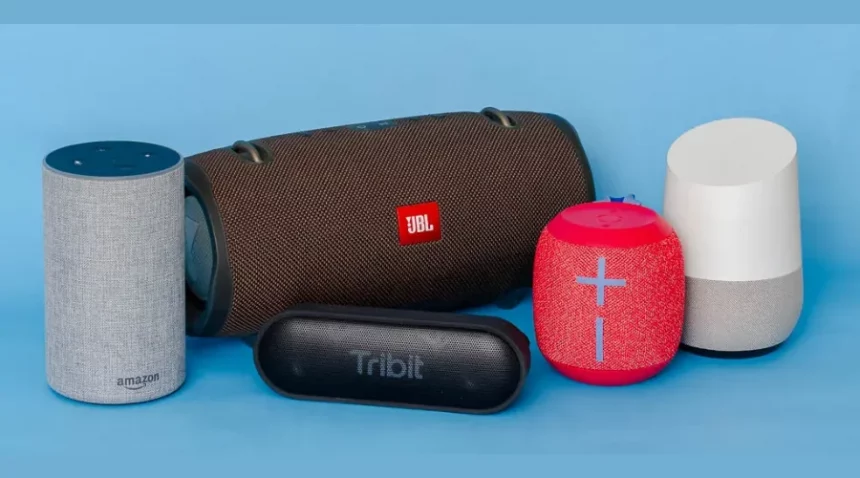
When comparing Smart Speakers with Traditional Speakers, consider that smart options like Amazon Echo, Google Nest, and Apple HomePod can play music and also control other smart home devices, answer questions, provide weather updates, set timers, and much more. This multifunctionality is the key differentiator in the Smart Speakers with Traditional Speakers comparison.
What are the advantages of smart speakers and traditional speakers?
Imagine arriving home after a long day, arms laden with groceries, and simply calling out, “Play my relaxation playlist” as you cross the threshold. This seamless convenience represents the cornerstone of the Smart Speakers vs. Traditional Speakers revolution. These voice-activated companions respond to your commands like attentive butlers, adjusting volume during dinner conversations or skipping that song you’ve grown tired of—all without requiring you to press a single button or interrupt your cooking, cleaning, or comfortable lounging.
But smart speakers aren’t just about lazy luxury. Their multi-functionality transforms them into digital Swiss Army knives for your home. While traditional speakers sit silently waiting for audio input, smart speakers stand perpetually alert, ready to answer obscure trivia questions during heated family debates, provide weather forecasts as you select your outfit, or even order pizza when your stomach growls. They’ve evolved from mere sound-producing devices into intelligent assistants that anticipate and fulfill your needs.
In our increasingly cluttered modern homes, space efficiency has become a premium commodity. Smart Speakers vs. Traditional Speakers offer a clear advantage here—consolidating what once required multiple bulky devices into sleek, minimalist designs that complement contemporary decor. That small, unassuming cylinder on your countertop replaces a CD player, radio, home phone, timer, weather station, and even aspects of your computer. Marie Kondo would certainly approve of this digital decluttering.
Unlike traditional speakers that remain frozen in technological amber, smart speakers continuously evolve through software updates. These AI-powered speakers might go to sleep with one set of capabilities and wake up with entirely new tricks, from improved voice recognition to surprising new functions. It’s like owning a traditional speaker that somehow learns new languages or develops enhanced hearing over time—a living technology that grows alongside you.
The interconnectivity offered by smart speakers creates a harmonious digital ecosystem that traditional speakers can’t match. Your smart speaker converses fluently with your lights, thermostat, TV, security system, and countless other devices, orchestrating them into a synchronized household symphony. “Movie night” becomes a simple command that dims lights, lowers blinds, and starts your film—creating ambient experiences that would otherwise require multiple manual adjustments.
Traditional Speakers: Timeless Audio Excellence
While smart speakers charm with their versatility, traditional speakers command respect through their superior sound quality. In the Smart Speakers vs. Traditional Speakers comparison, traditional options remain the undisputed champions of audio fidelity. Audiophiles rhapsodize about the warmth of midrange tones, the crispness of treble, and the richness of bass that quality traditional speakers deliver—nuances that often get compressed or overlooked in smart speakers focused on jack-of-all-trades functionality.
In an era of increasing surveillance concerns, traditional speakers offer reassuring privacy that their always-listening counterparts cannot. These silent sentinels don’t eavesdrop on conversations, accidentally order products during television programs, or gather data on your musical preferences. They simply perform their singular purpose with dignity and discretion, free from the anxiety-inducing question: “Is my speaker listening to me right now?”
The reliability of traditional speakers represents another compelling advantage in the Smart Speakers vs. Traditional Speakers debate. When your internet connection falters or cloud services experience downtime, traditional speakers continue performing flawlessly. They don’t suffer existential crises during service outages or require troubleshooting when WiFi passwords change. Their steadfast dependability harks back to a simpler technological era when devices performed their functions without prerequisite conditions.
In our disposable gadget culture, traditional speakers offer remarkable longevity that smart speakers struggle to match. Quality traditional speakers often outlast multiple generations of smart devices, sometimes becoming family heirlooms passed down through decades. While smart speakers may become functionally obsolete when companies discontinue support or services, a well-crafted traditional speaker from the 1970s can still deliver exceptional sound today—a testament to timeless engineering excellence.
Finally, traditional speakers excel in offering specialized solutions for specific audio needs. Whether you’re a music producer requiring studio monitors with absolutely neutral sound reproduction, a cinephile creating an immersive home theater, or an outdoor entertainer needing weather-resistant speakers for your patio, traditional speakers offer purposefully designed options that smart speakers—with their one-size-fits-all approach—simply cannot match.
How smart speakers are better than traditional speakers
The Smart Speakers vs. Traditional Speakers decision ultimately depends on your specific needs and priorities. If superior sound quality and privacy are your primary concerns, traditional speakers may be the better choice. However, if convenience, versatility, and smart home integration appeal to you, smart speakers offer compelling advantages. The Smart Speakers and Traditional Speakers comparison increasingly favors smart options for several compelling reasons:
Seamless Integration: Smart speakers easily integrate with streaming services, allowing immediate access to millions of songs, podcasts, and audio content through simple voice commands. This eliminates the need for separate devices and complicated setups that traditional speakers might require.
Constant Evolution: Unlike traditional speakers, which remain static after purchase, smart speakers continuously improve through software updates. When considering Smart Speakers vs. Traditional Speakers, this ability to gain new features and functionality over time represents significant added value.
Home Automation Hub: Smart speakers serve as central control points for entire smart home ecosystems. In the Smart Speakers vs. Traditional Speakers analysis, this capability transforms a simple audio device into a command center for lights, thermostats, security systems, and more.
Accessibility Benefits: The voice-control aspect of smart speakers makes them particularly
valuable for users with mobility limitations or visual impairments, adding an inclusive dimension to the Smart Speakers vs. Traditional Speakers discussion.
Cost-Effective Multi-functionality: When evaluating Smart Speakers and Traditional Speakers, consider that Smart Speakers combine multiple devices (speaker, virtual assistant, smart home hub) into one purchase, potentially offering better overall value despite higher initial costs.
Adaptive Technology: Many smart speakers now incorporate adaptive audio technology that adjusts sound output based on room acoustics and placement, narrowing the quality gap in the Smart Speakers vs. Traditional Speakers comparison.
Conclusion
Many households are finding that the ideal solution isn’t strictly an either/or choice in the Smart Speakers vs. Traditional Speakers debate. A hybrid approach—combining high-quality traditional speakers for dedicated music listening with strategically placed smart speakers for convenience and home control—often provides the best of both worlds.
Before making your final Smart Speakers vs. Traditional Speakers decision, consider your budget, existing technology ecosystem, privacy preferences, and how you primarily use speakers in your daily life. By carefully weighing these factors, you’ll find the perfect audio solution that enhances your lifestyle without unnecessary compromises.
As technology continues to evolve, the distinction between Smart Speakers vs. Traditional Speakers will likely blur further, with traditional speaker manufacturers incorporating more smart features and smart speaker companies improving audio quality. Whatever your choice today, the future of home audio promises increasingly sophisticated options that combine the best aspects of both worlds. For more information visit Saasmarkt.
FAQs